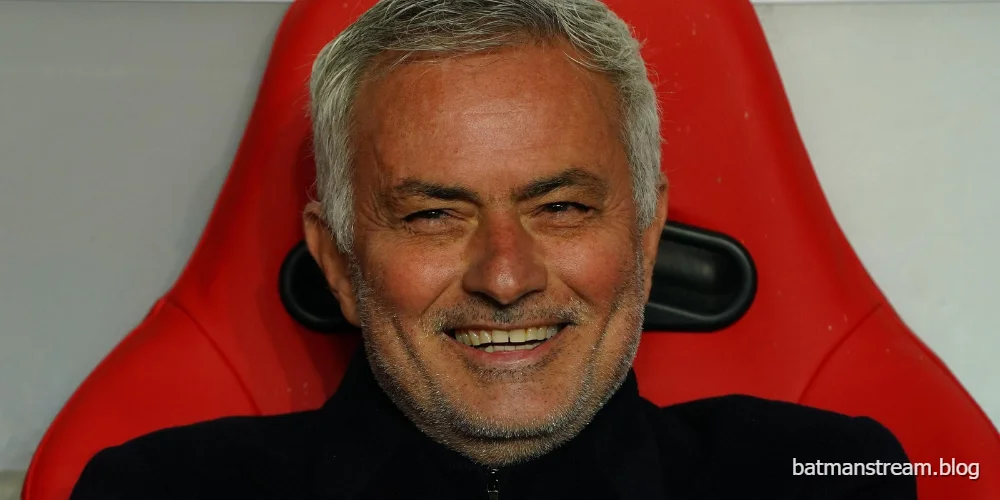
José Mourinho’s return to Real Madrid has brought renewed attention to one of football’s most demanding managerial jobs. The Portuguese coach is known for his tactical discipline, strong personality and willingness to confront difficult situations, but managing a squad filled with high-profile players presents a challenge that goes beyond results on the pitch.
At the Santiago Bernabéu, success is measured by trophies, and even a talented squad can struggle when individual ambitions, tactical demands and expectations from the club’s supporters pull in different directions. Mourinho must find a way to turn Real Madrid’s collection of stars into a team capable of competing consistently for the biggest honours.
Mourinho’s Authority Meets the Real Madrid Culture
Real Madrid’s global reputation brings enormous advantages, including financial strength, elite players and the ability to attract leading names in world football. However, those same qualities can make the manager’s task more complicated.
At a club where individual players command worldwide attention, maintaining a clear hierarchy is essential. Coaches must make difficult decisions over playing time, tactical responsibilities and team selection while keeping the squad focused on collective objectives.
Mourinho has built much of his managerial identity around discipline and accountability. His teams have traditionally been organised to limit opponents’ strengths, compete aggressively and take advantage of decisive moments. That approach can produce strong results, but it also requires players to accept clearly defined roles.
The challenge at Madrid is ensuring that tactical instructions carry the same weight regardless of a player's reputation. If Mourinho can establish that understanding, the club's individual quality could become a significant advantage rather than a source of tension.
Why the Galacticos Model Creates a Difficult Balance
The Galacticos concept has long been associated with Real Madrid's ambition to assemble teams featuring some of the world's most recognisable footballers. High-profile signings can improve a squad technically while strengthening the club's commercial appeal and international reach.
Yet assembling outstanding individuals does not automatically create a balanced team.
Football requires players to work within a shared structure, contribute defensively and accept responsibilities that may not always match their preferred roles. A squad containing several attacking stars, for example, still needs midfielders who can control possession, defenders who remain organised under pressure and forwards willing to contribute without the ball.
This is where Mourinho's approach could become particularly important. His emphasis on defensive organisation and quick transitions places significant value on structure, positioning and collective effort.
The question is whether Real Madrid's leading players can combine their freedom and attacking ability with the discipline needed to make that system effective. Mourinho, meanwhile, must adapt his methods to the strengths of the squad rather than expect every player to fit a rigid tactical template.
Transfer Decisions Could Shape Mourinho's Project
Recruitment is another important part of the challenge. Real Madrid have the resources to pursue elite talent, but the club must also consider how new arrivals fit into the existing squad.
A transfer strategy built around famous names alone can create problems if several players occupy similar positions or require the same tactical responsibilities. The more effective approach is to identify weaknesses and recruit players who provide qualities the team genuinely lacks.
Mourinho's involvement in squad planning is therefore significant. Direct communication between the manager and the club's decision-makers can help ensure that recruitment supports a clear footballing plan.
However, no transfer window can resolve every issue immediately. New signings need time to understand their teammates, adjust to the manager's expectations and develop relationships on the pitch.
The success of Madrid's rebuilding efforts will depend not simply on the amount invested, but on whether the resulting squad has the balance and depth required to compete across domestic and European competitions.
Can Mourinho Bring Stability to the Dressing Room?
Managing relationships inside the dressing room may prove just as important as choosing the right formation. Real Madrid's players operate under constant scrutiny, and poor results can quickly intensify questions about the manager, the squad and the club's leadership.
Mourinho's direct communication style can help establish expectations, particularly when players understand that selection decisions are based on the team's needs. At the same time, maintaining trust is essential when prominent players are left out or asked to change their roles.
The manager must strike a balance between authority and communication. Discipline can provide a foundation for success, but players also need confidence in the tactical plan and clarity about what is expected of them.
Consistency will be crucial. If the squad responds to Mourinho's demands and accepts a collective approach, Real Madrid could become more difficult to play against. If disagreements over roles or responsibilities undermine that process, individual talent alone may not be enough to deliver the expected results.
Tactical Flexibility Will Be Essential
Mourinho's reputation is closely associated with defensive organisation, compact team structures and effective counterattacking football. Those principles can be valuable in major European matches, particularly against opponents who dominate possession and leave space behind their defensive lines.
Real Madrid, however, are also expected to control games and break down teams that defend deep. That requires patience, movement between the lines and the ability to create chances when counterattacking opportunities are limited.
The manager's challenge is to combine his preferred principles with the attacking resources available to him. A team that defends well but struggles to create chances against organised opponents will find it difficult to maintain consistency throughout a long season.
Tactical flexibility could therefore determine how far Mourinho's Madrid project progresses. The team needs a reliable defensive foundation without sacrificing the creativity and attacking threat expected of one of Europe's leading clubs.
The Pressure to Deliver Trophies Remains
At Real Madrid, patience has limits. Supporters expect the club to challenge for La Liga and the UEFA Champions League, while the demands surrounding every major match leave little room for extended periods of uncertainty.
Mourinho's previous experience at the Bernabéu gives him an understanding of the environment. During his first spell, from 2010 to 2013, he led Madrid to the 2011-12 La Liga title, when the team set a then-record league points total of 100 and scored 121 goals.
That achievement demonstrated his ability to build a side capable of challenging Barcelona during a particularly competitive period in Spanish football. It also provides a reminder that his Madrid legacy is connected to both tactical organisation and tangible success.
His latest challenge, however, must be judged on the circumstances of the current squad, the quality of the opposition and the team's ability to perform consistently under pressure.
What Comes Next for Real Madrid?
Mourinho's prospects will depend on several connected factors: the relationship between the manager and his players, the balance of the squad, the effectiveness of recruitment and the team's performances in decisive matches.
There is no guarantee that a forceful managerial personality will resolve every problem, just as a collection of star players cannot guarantee silverware. Real Madrid need both individual quality and a coherent collective identity.
The coming months will show whether Mourinho can establish that balance and turn the club's considerable resources into sustained success. For the Portuguese coach, the challenge is not simply to manage the Galacticos, but to make them function as a team when the pressure is at its highest.
Comments (0)
No comments yet. Be the first to share your thoughts!
Leave a Reply
Note: Links and URLs are strictly prohibited. All comments undergo moderation before being published.